Your LPG boiler, tank, and central heating system all play a crucial role in providing essential heating and hot water to keep you and your family cosy all year round, as well as ensuring the efficient and safe functioning of your LPG system. There's an array of key components that keep your LPG system functioning efficiently and safely, and it is important to understand the safety devices that monitor pressure and temperature.
In this blog, we’re going to take a look at LPG regulators, their function, how to detect LPG regulator issues and what to do if your regulator locks out.
What is an LPG regulator?
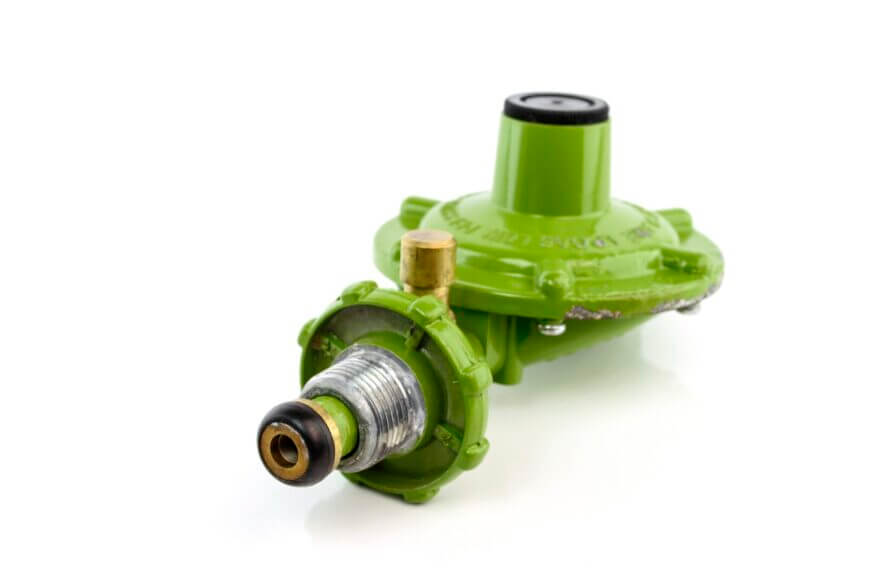
An LPG regulator is a critical component in any LPG system. It includes a safety device called an UPSO/OPSO which offers protection from overpressure in the supply system, and leaks.
The LPG regulator’s main function is to control the flow and pressure of gas from your LPG tank to your boiler and appliances, ensuring the right amount of LPG is released and acting as a gatekeeper between the high-pressure propane tank and the low-pressure appliances it feeds. The regulator is typically located at the LPG tank or less frequently on the outside of the building where the gas supply enters the property. In the case of underground tanks, the regulator and valve assembly are contained within the lid space.
As LPG is stored under pressure, the regulator automatically reduces the pressure of the gas exiting your tank, maintaining it at a safe and useable level. Your regulator also acts as a safety valve in case of a gas leak, locking out if it detects a fault in the system, so it must function properly for your safety. LPG regulators must be installed by a qualified GAS SAFE registered engineer, and your regulator should be regularly inspected to ensure it is functioning properly.
Signs of regulator issues
Recognising symptoms of regulator issues early can help prevent safety hazards. It’s good to familiarise yourself with common symptoms of a faulty regulator - things to look out for are:
- A yellow or weak flame - a yellow flame can be a warning sign of incomplete combustion. The flame should always be blue and evenly dispersed around the burner. A yellow flame or even soot deposits could be a sign of an improper flow from your regulator. A weak flame is an indication that your appliances are not working at full capacity and could be down to a clogged or blocked regulator. Learn more about soot and yellow flames in LPG appliances.
- A smell of gas around the regulator – this could indicate a leak in the regulator’s diaphragm, which is the flexible disc that adjusts gas flow when pressure changes. LPG has a distinct odorant agent added for safety reasons to make it easy to detect a leak. Gas leaks are a serious safety hazard and require immediate attention so a strong smell resembling rotten eggs should raise immediate concern;
- A hissing sound – this could also be a sign of a leak. For your safety, turn off the gas supply and ventilate the area immediately, investigate further, and call a GAS SAFE engineer.
- The regulator is submerged in water - if water seeps into your regulator, whether through faulty seals or from condensation as temperatures drop, it can cause significant issues such as rusting and internal corrosion that could damage the regulator’s components. This would prevent gas from passing through the pipework and eventually cause your system to fail. And if the water in your regulator freezes, this could lead to real winter woes as the body of your regulator may crack, which would highly likely cause a gas leak, and result in an interruption to your supply when you need your central heating most.
- Visible wear and tear – it’s always good practice to regularly inspect your installation and look for any obvious signs of wear and tear, cracks or corrosion that could lead to regulator failure. Also ensure the vent is clear of debris and examine all connections to make sure they’re not loose and could cause gas to escape.
I can smell gas – what should I do?
Gas leaks post a severe threat and should not be taken lightly as propane is a highly flammable gas and safety should be your paramount concern. If you do smell gas, stay calm and don’t panic. Call your supplier’s emergency number and ring 999, advising the emergency services that there is LPG on the premises.
Turn off the LPG supply if safe to do so, ventilate the area immediately, stay upwind of any escaping gas and do not use any electrical appliances or open flames.
What to do if your regulator locks out
When an issue arises with an LPG regulator, call your LPG supplier who will talk you through resetting it. However, lock-outs can be as a result of a minor inconvenience through to a serious safety issue, and if your regulator locks out and won’t reset, there could be a serious problem and you should act quickly.
Never try and disable the regulator as it could leave your installation in a dangerous condition. Instead, you will need to contact a GAS SAFE registered engineer to attend to diagnose and resolve the problem. A malfunctioning regulator can potentially lead to incomplete combustion and carbon monoxide build-up in enclosed spaces, so it's important you don't delay.
Proper understanding and maintenance of your LPG regulator which plays a vital role in maintaining the efficiency and safety of your system, knowing how to reset it, and being aware of the symptoms to look out for are crucial for maintaining gas appliance safety. And addressing any problems immediately and in their early stages will not only ensure optimal performance of your heating system but also mitigate potential safety hazards to ensure you stay gas safe at home before they become major issues.
Don’t forget that used correctly, LPG is a very environmentally friendly, safe and versatile fuel, but if you have any concerns about your LPG regulator, give our experienced and friendly customer service team a call on 01423 772 789. We’re here to help.